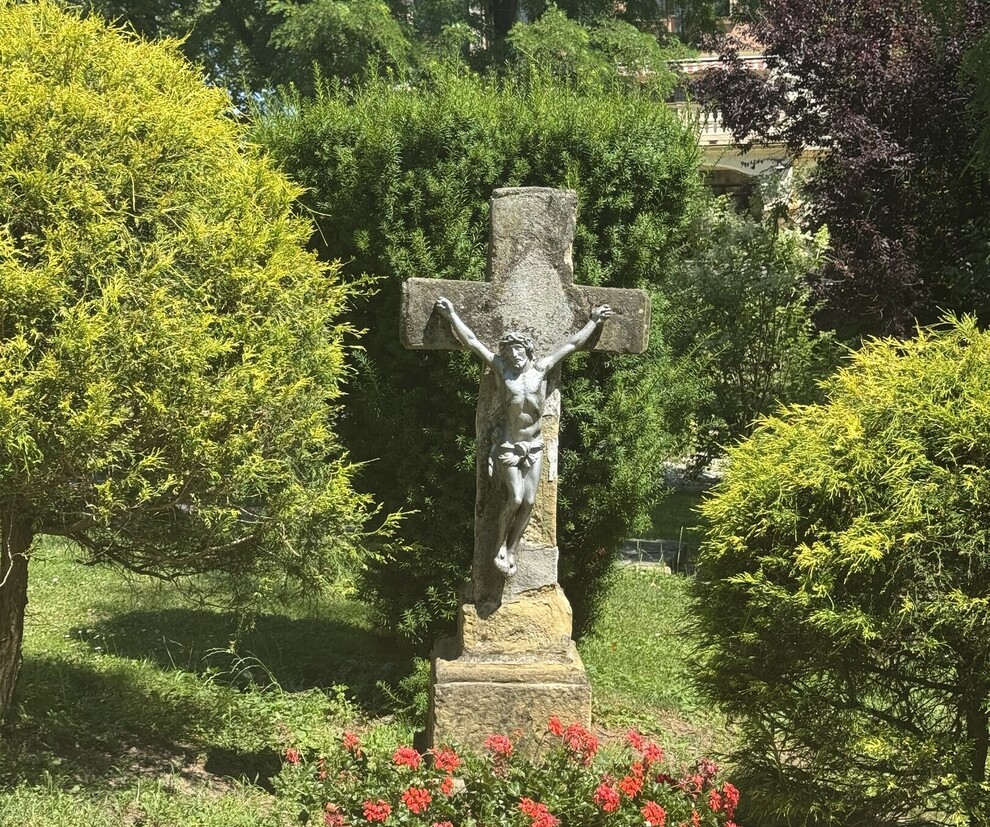
Within the grounds of Dubiecko Castle Park, there is a stone cross commemorating the place where the first parish church in Dubiecko stood for over two centuries. The wooden temple dedicated to St. Nicholas was founded by Piotr Kmita at the end of the 14th century and was the heart of the religious life of the local community. Its history ended in 1626, when the owner of Dubiecko – Jerzy Krasicki – ordered the demolition of the church. This decision was officially explained by the need to improve the castle's defenses, as the temple was said to hinder defensive operations. However, researchers point out that this was merely a pretext. In reality, the demolition allowed for the expansion of the residence's grounds and the takeover of lands belonging to the parish. Today, the stone cross standing in this location commemorates the first temple of Dubiecko and is one of the oldest symbols of the town's history, encouraging visitors to discover the lesser-known chapters of the castle's history and its surroundings.
It was in Dubiecko, on February 3, 1735, that Ignacy Krasicki was born – one of the most outstanding figures of the Polish Enlightenment, a poet, prose writer, publicist, satirist, and clergyman who left a permanent mark on the history of Polish culture. He was born in the Krasicki family's castle in Dubiecko, surrounded by a picturesque park and the San valley. The Krasicki family was one of the most important noble families of the Polish–Lithuanian Commonwealth. In the castle in Dubiecko, young Ignacy spent his childhood, getting to know the world of nature, family traditions, and the history of his ancestors. It was here that his literary sensitivity and passion for learning and art were shaped. After completing his education, he became a clergyman, and later the Bishop of Warmia. He was a close collaborator of King Stanisław August Poniatowski and a participant in the famous "Thursday Dinners," where the most outstanding representatives of Polish culture and science met. Ignacy Krasicki became famous primarily as the author of:
  • "Mouseiad",
  • "Monachomachia",
  • "Fables and Parables",
  • "Satires",
  • the first Polish modern novel "The Adventures of Nicholas Experience".
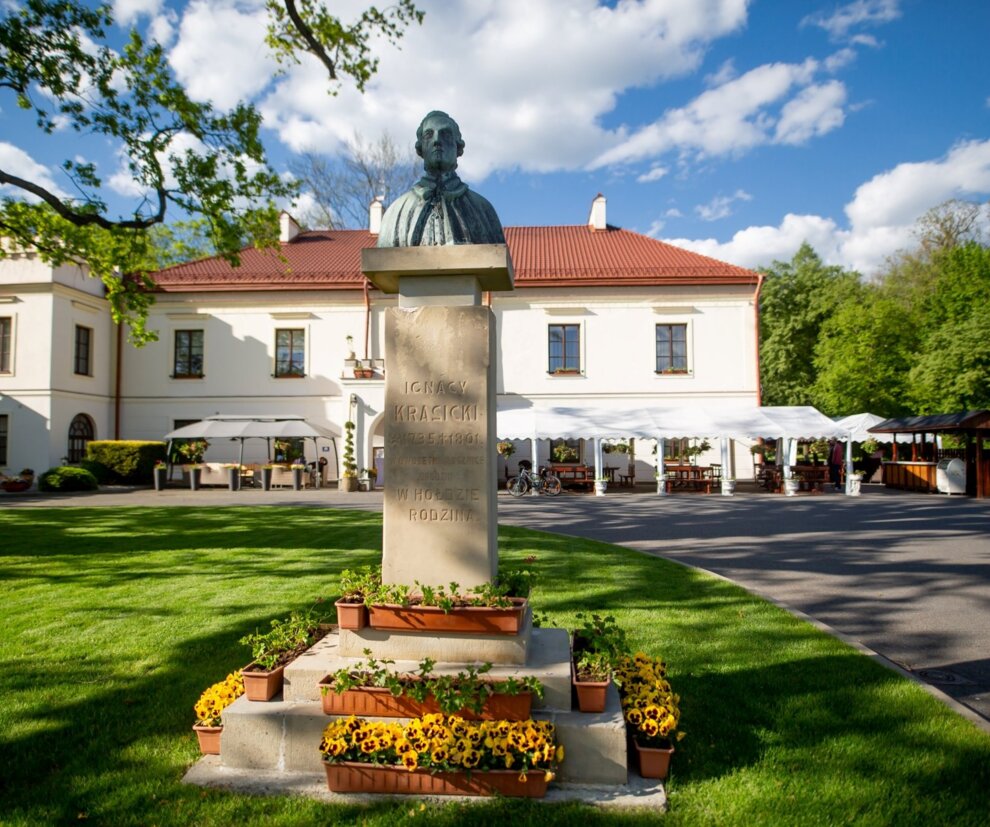
His works remain part of the school reading canon to this day. Thanks to his extraordinary literary talent and great influence on the development of Polish literature, he received the nickname "Prince of Polish Poets". In 1795, he was appointed Archbishop of Gniezno and Primate of Poland. He died in Berlin in 1801, but his memory remains especially alive in Dubiecko, where it all began. On the premises of the castle, there is a bust of Ignacy Krasicki, and his figure is one of the most important elements of Dubiecko's historical heritage.
Zamek Dubiecko to magiczne miejsce łączące atmosferę historycznych wnętrz z najwyższymi standardami
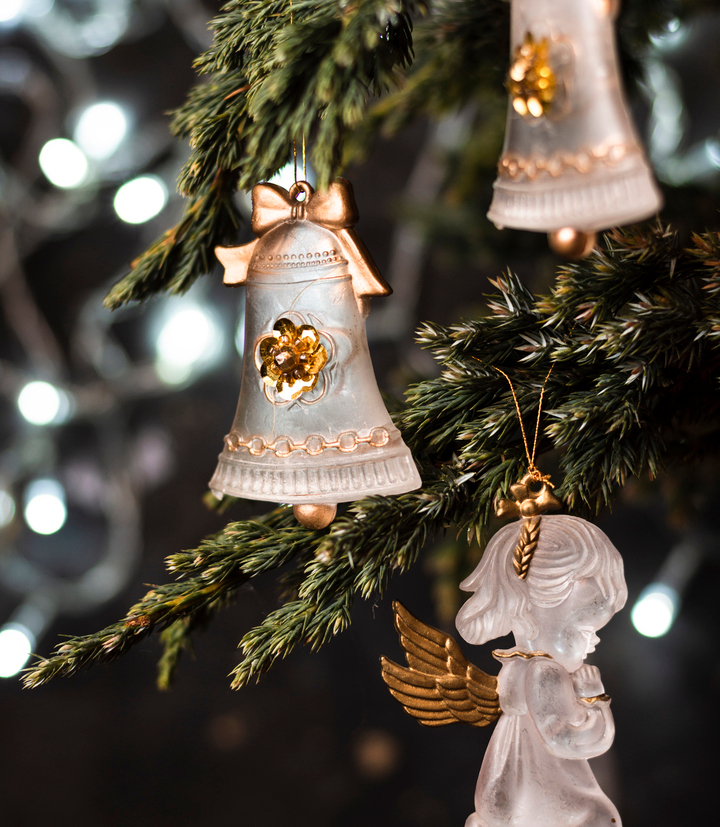
Few people know that one of the most important Polish Christmas carols has its roots precisely in Dubiecko. Franciszek Karpiński, an outstanding poet of the Enlightenment era, author of many religious and patriotic songs, stayed at the court of Izabela Lubomirska at the end of the 18th century. It was at her request that he created the lyrics for the carol "God is born," which was first published in 1792 in the collection "Sacred Songs." According to historical accounts, Karpiński worked on the text during his stay in Dubiecko. The inspiration for the poet was both the religious atmosphere of the era and the surrounding landscape of the San valley, as well as the tranquility of the castle interiors. The carol stands out due to its extraordinary literary form. The very first line contains a famous paradox: "God is born, power trembles." The entire work is based on the juxtaposition of opposites: God and man, might and weakness, eternity and transience. Thanks to this, it is considered one of the most outstanding works of Polish religious poetry. The melody of the carol was borrowed from the coronation polonaise of Polish kings, which additionally emphasizes its national character. During the partitions, the song was treated almost like an unofficial national anthem, sustaining the spirit of Polishness and hope for regaining independence. To this day, "God is born" resounds in Polish homes, churches, and during the most important Christmas celebrations, reminding of its ties to Dubiecko.
Poznaj historię kolędy „Bóg się rodzi” autorstwa Franciszka Karpińskiego. Odkryj jej związki z Dubieckiem i poznaj niezwykłe dzieje jednej z najpiękniejszych polskich kolęd.